
You’re thinking about adding a home EV charger in Austin and want clear, useful answers before you start. This article points out the practical choices and tradeoffs that matter for a smooth installation and lower costs.
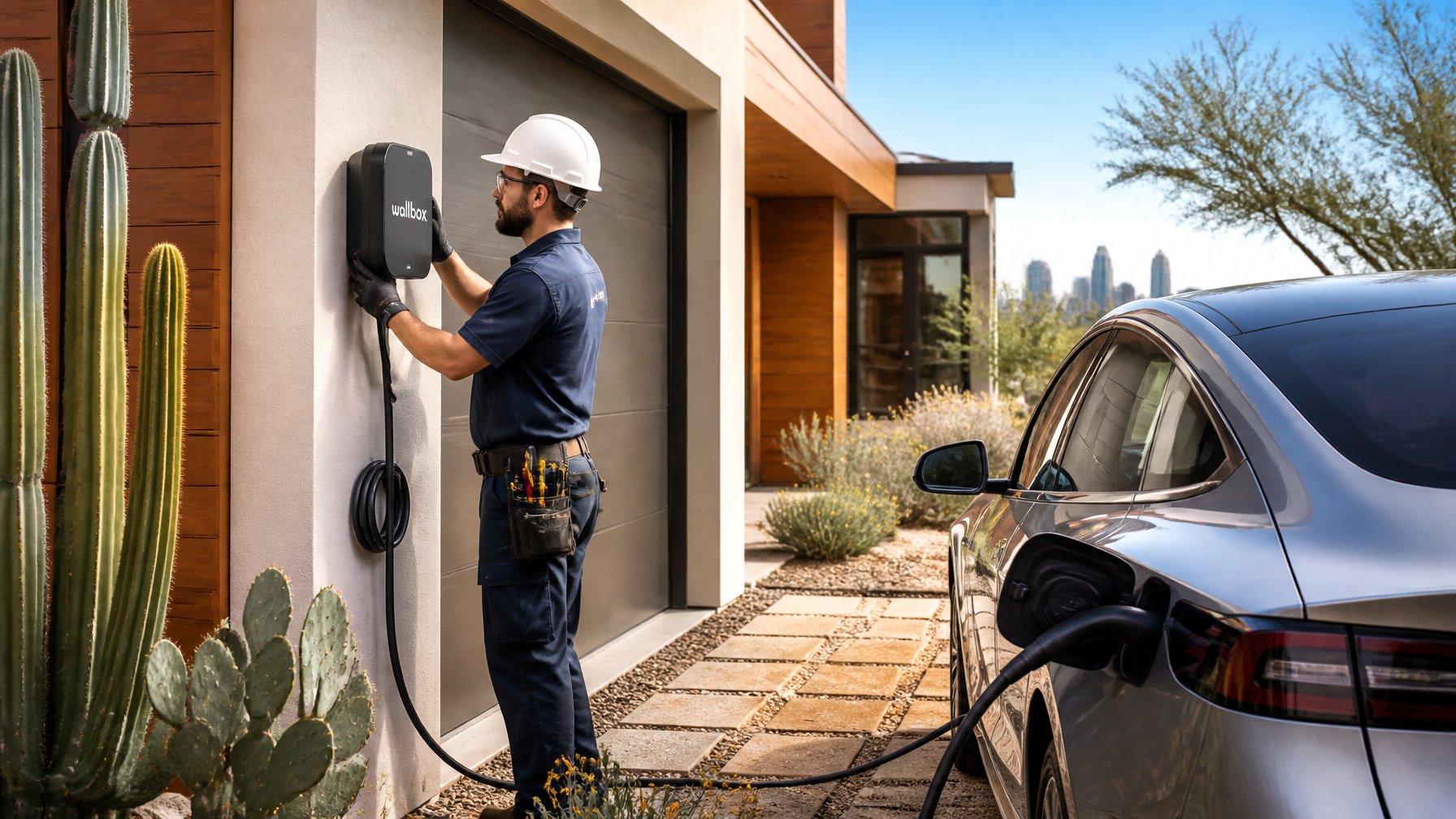
Expect to learn what to compare and what to ask so you can pick the right charger, electrician, permits, and incentives for your home. It will help you weigh cost, panel capacity, mounting distance, permits, available Austin incentives, and safety features so you feel confident making decisions.
1) How much will a Level 2 EV charger installation cost in Austin?
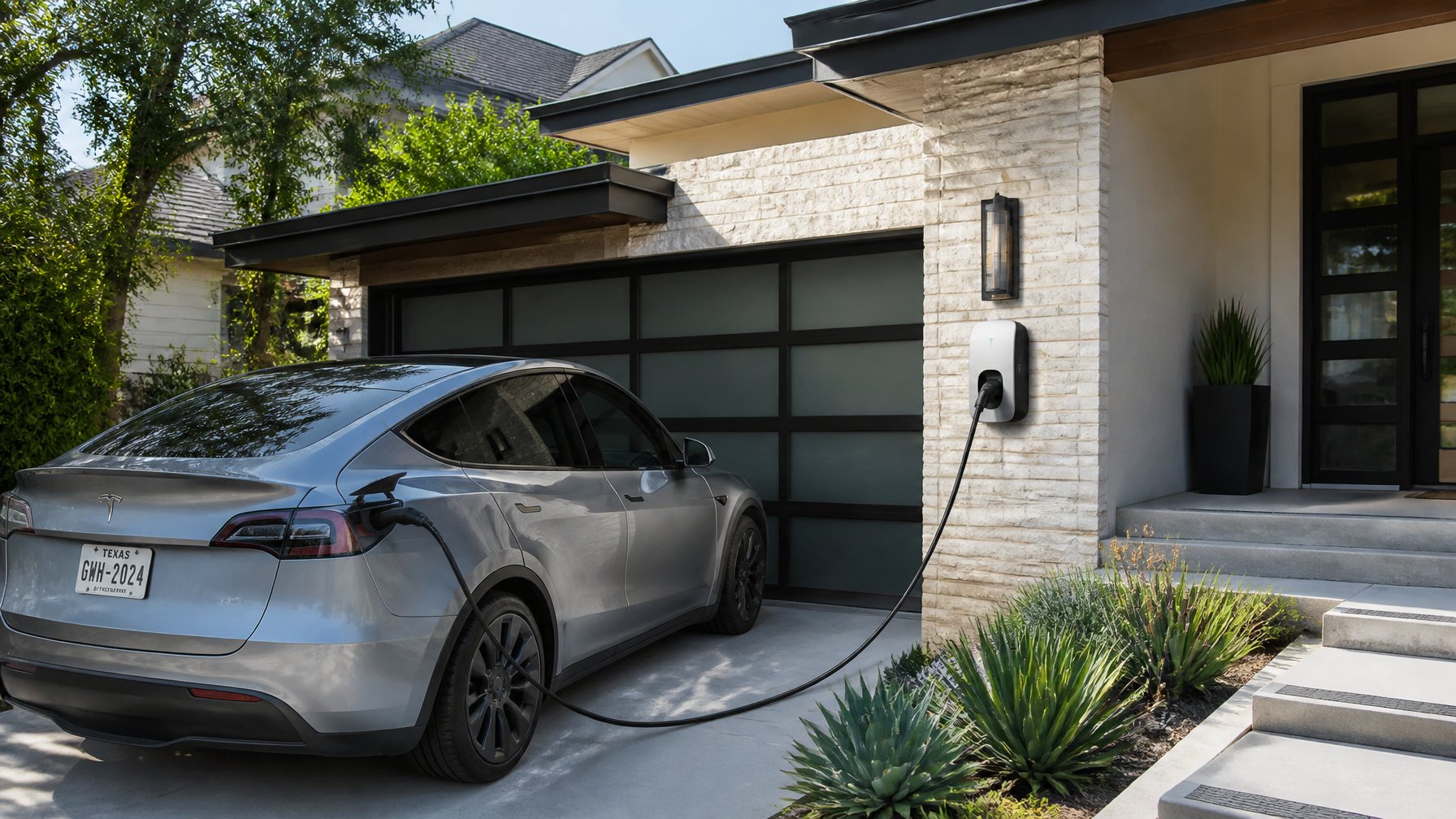
Costs vary by home. Typical ranges run $700–$2,500 for most installations. Homeowners should compare charger price, electrician labor, and any required panel upgrades.
Ask electricians if the quote includes permits, circuit breaker, conduit, and a site visit. Compare hourly rates, flat fees, and whether they offer a warranty on work. Tradeoffs include lower upfront cost versus higher-quality equipment and longer warranties.
Find out if the home needs a panel upgrade; that can add $1,000–$3,500. Also check if long cable runs or trenching are needed, which raise labor and materials costs. Homeowners should compare estimates and ask for itemized bids.
See the main service page for help comparing installers and typical costs. Photos should show a garage charger mounted near the panel, neat conduit, and a clean, code-compliant setup.
2) Can I install a Tesla Wall Connector on a non-Tesla EV?
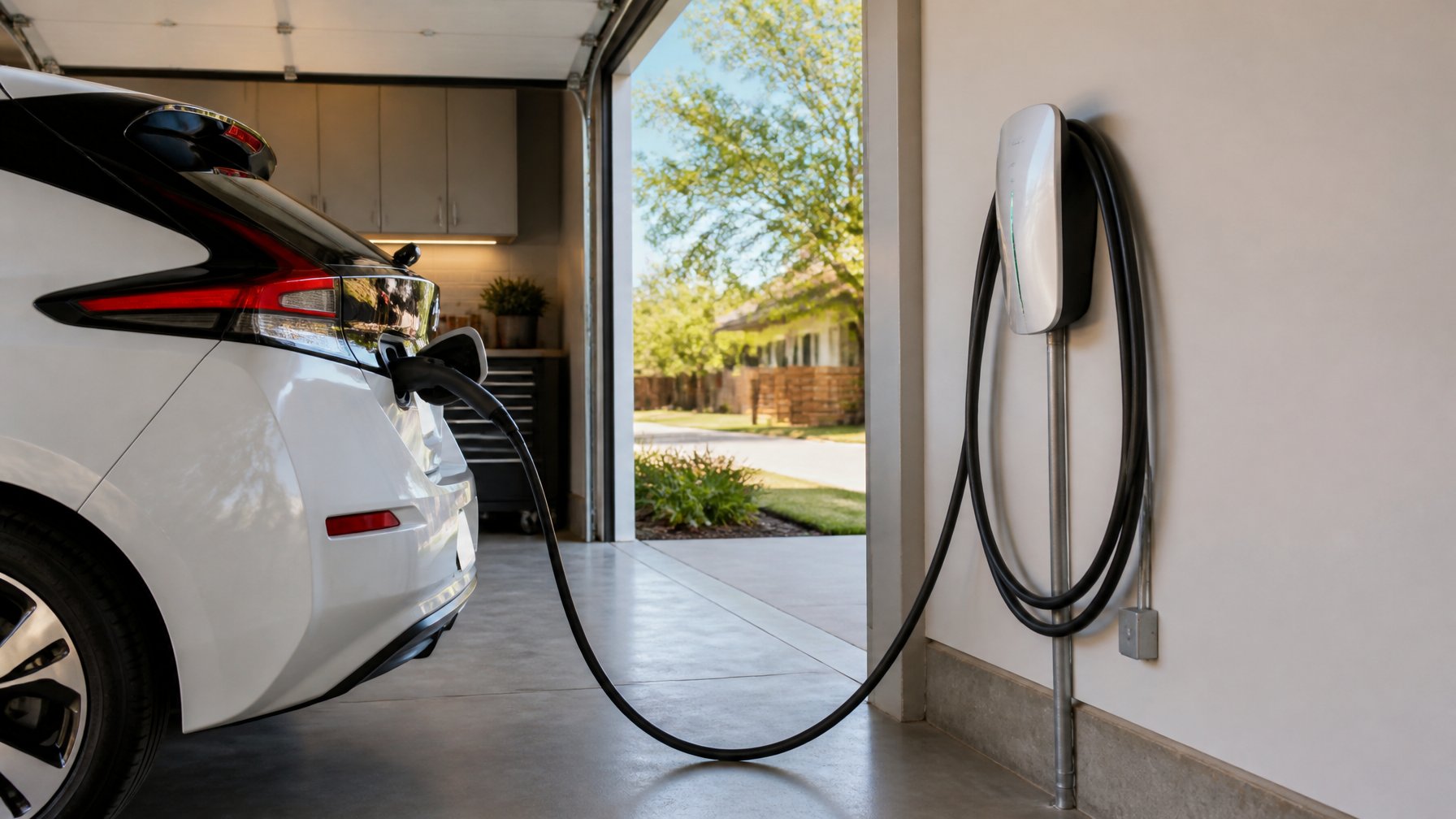
Yes. Many non-Tesla EVs can use a Tesla Wall Connector with an adapter or a vehicle that accepts the Tesla plug. Homeowners should compare connector type and charging speed to the car’s onboard charger to avoid wasting money on a faster charger the car can’t use.
Ask the electrician about required adapters, code compliance, and whether the installer will hardwire or use a NEMA outlet. They should explain tradeoffs: adapters add cost and a small loss in convenience, while a universal charger might cost more but work with any future car.
Compare price, warranty, and smart features like scheduled charging. For local installation options and more EV charger info, visit the homepage.
3) Do I need a permit from the City of Austin for a home EV charger?
Yes. Most home EV charger installs in Austin need an electrical permit. Homeowners should check with the City of Austin Development Services to confirm permit types and fees before work begins.
Ask the electrician what permit they will pull and why. Compare quotes by whether the contractor includes permit fees, inspections, and any required panel upgrades. Make sure the permit covers grounding, circuit sizing, and weatherproofing.
Factor in inspection timing and cost. A permit adds time but ensures work meets code and passes inspection. For more city-specific guidance and permitted installer lists, see Austin EV charger services.
Keep paperwork and permit numbers with home records. That helps future buyers and verifies that the installation met Austin’s safety rules.
4) Will my existing electrical panel handle a Level 2 charger or need an upgrade?
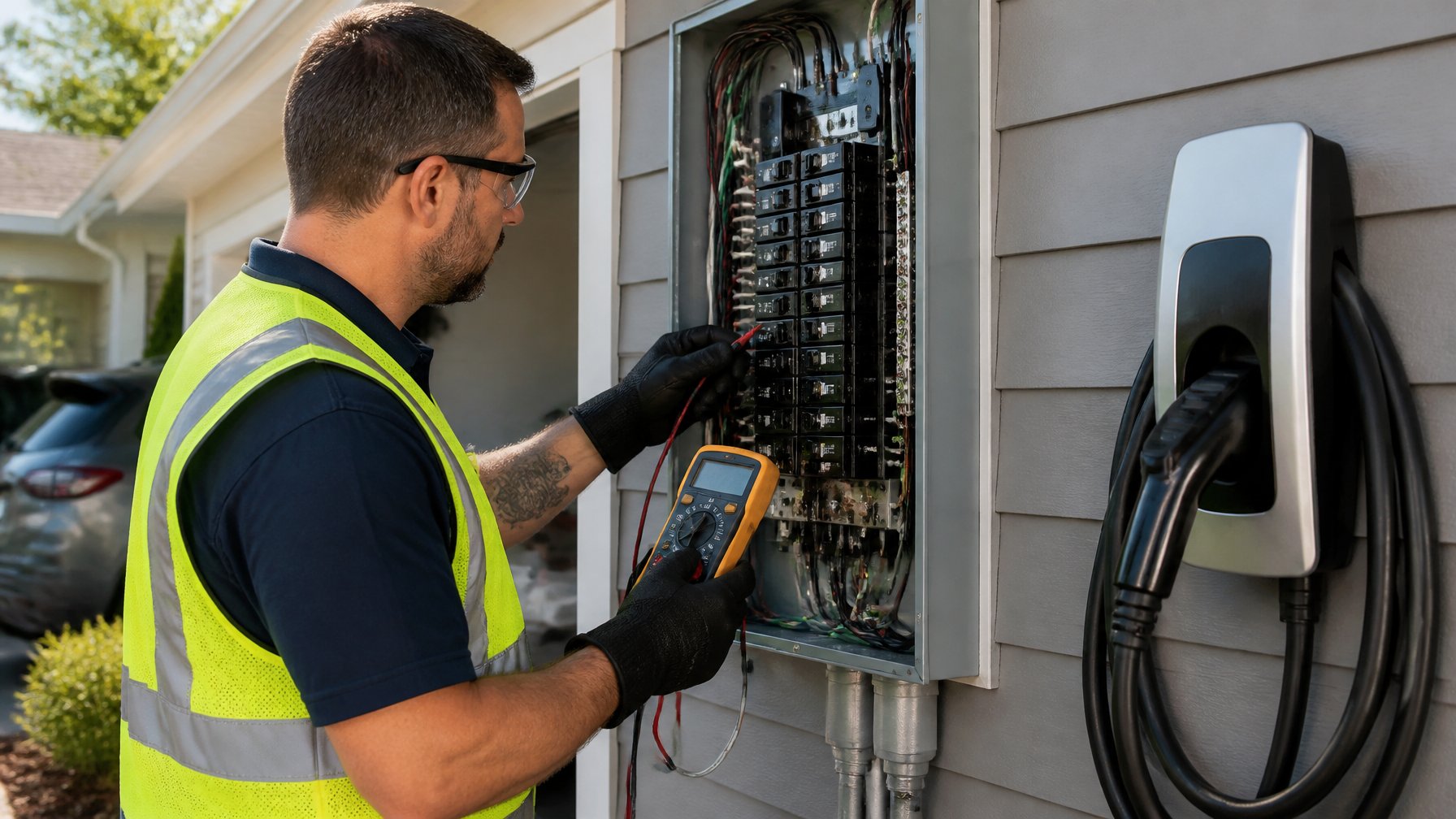
They should first check the panel’s amperage rating and available breaker space. Compare the panel’s main breaker size (100A, 150A, 200A) with the charger’s circuit need (usually 30–60 amps). Ask an electrician to measure load and determine spare capacity.
They should ask whether a subpanel or service upgrade is cheaper than reducing other loads. The tradeoff: add a dedicated circuit or increase service capacity. This affects cost and permit needs.
They should request a written load calculation from the electrician and compare it to the charger specs. Also ask about panel age, bus ratings, and whether grounding/neutral wiring meets current code.
They should see if utility coordination or meter upgrades are required. For more detail and local services, visit the home EV charger installation page.
5) What rebates or Austin Energy incentives are available for EV charger installations?
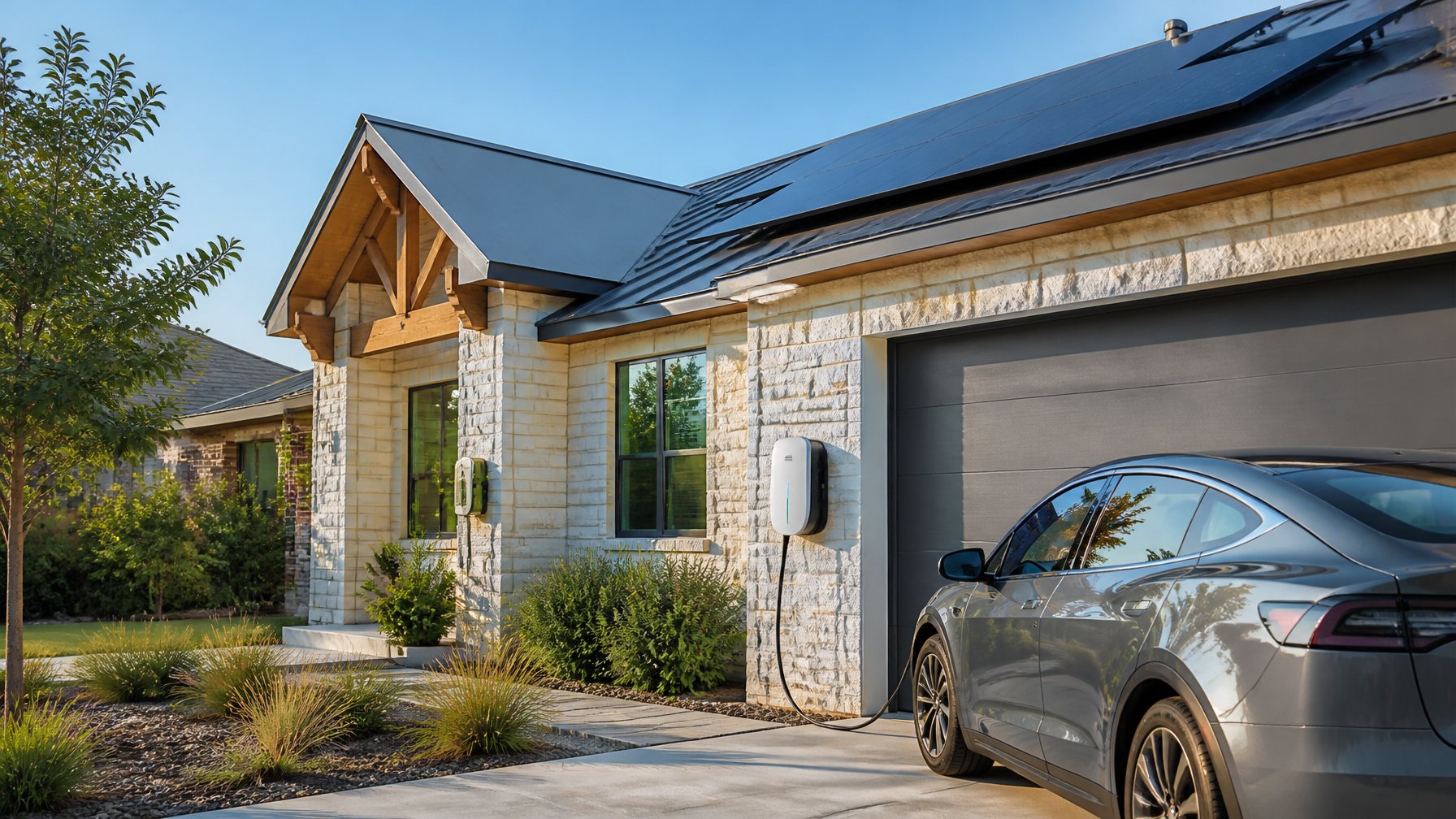
They should check Austin Energy programs first. Austin Energy sometimes offers incentives for home EV chargers and smart load management devices. They should compare the rebate amount to the total installation cost and ask if the incentive requires specific charger models or electricians.
They must ask about eligibility and application deadlines. Some rebates require proof of purchase, photos, or pre-approval. They should confirm whether the program covers only equipment, or also covers labor and panel upgrades.
They should weigh instant rebates versus tax credits. Federal tax credits lower their tax bill, while Austin Energy rebates cut upfront costs. They should ask an electrician which documents to save and what inspection is needed.
For more local resources and service options, visit the homepage. Images should show a residential EV charger installation in a garage or driveway, with a clear view of the charger and conduit.
6) How far from my garage or parking spot can the charger be mounted?
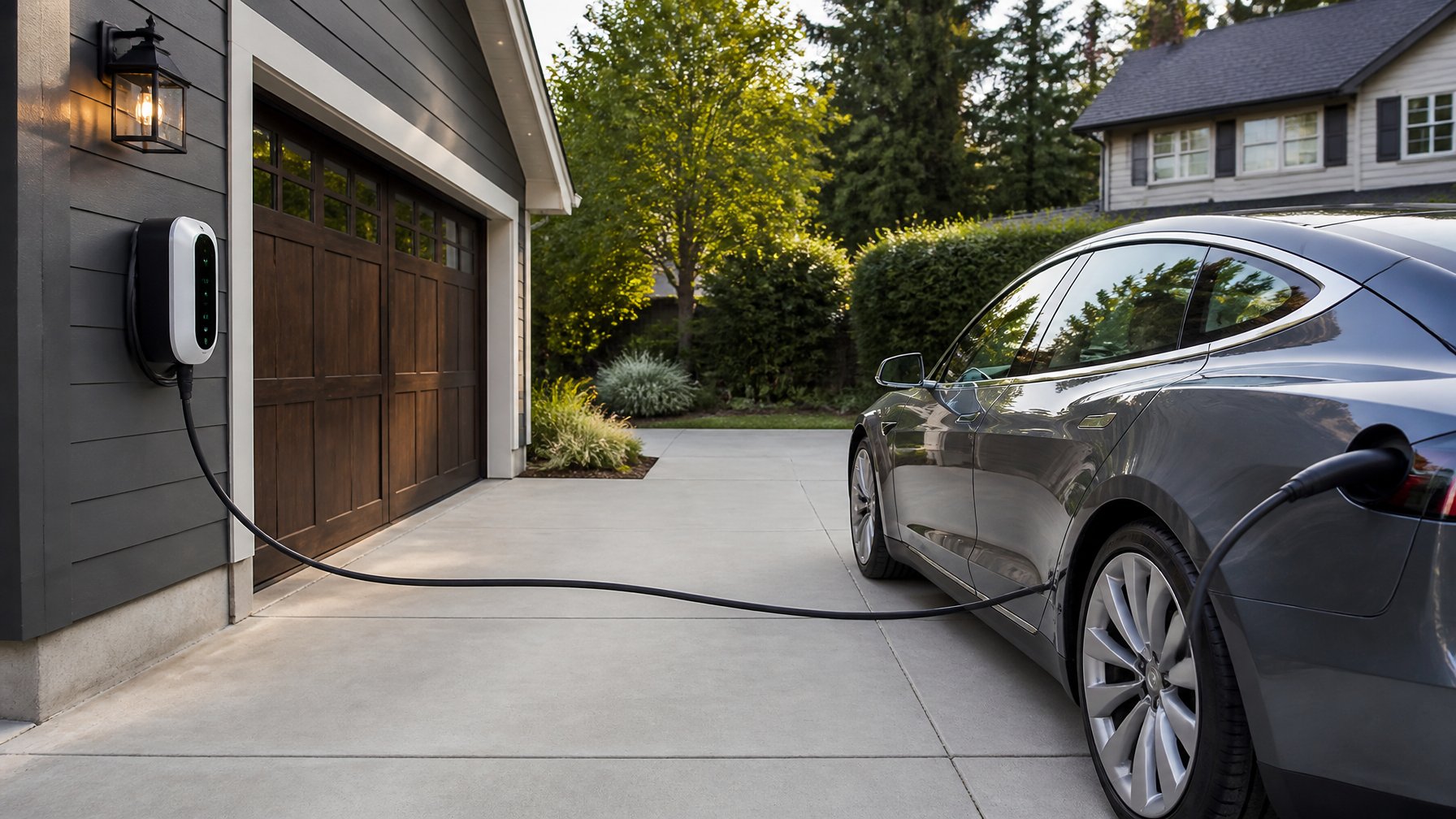
Distance depends on cable length, circuit path, and code. Compare charger cable reach (usually 18–25 feet) to the actual distance from the mounting point to the vehicle’s inlet. Ask if a longer cable or a different charger model is needed.
Also compare the cost and impact of running conduit or relocating the breaker panel. Longer electrical runs can raise labor and material costs and may need a larger wire size. Ask the installer for a quote that itemizes conduit, trenching, and cable length.
Consider convenience versus cost. A charger closer to the car makes charging simpler but may require more electrical work. They should check the EV charger product page for models and cable lengths.
7) Should I run a dedicated 240V circuit or use a smart load management system?
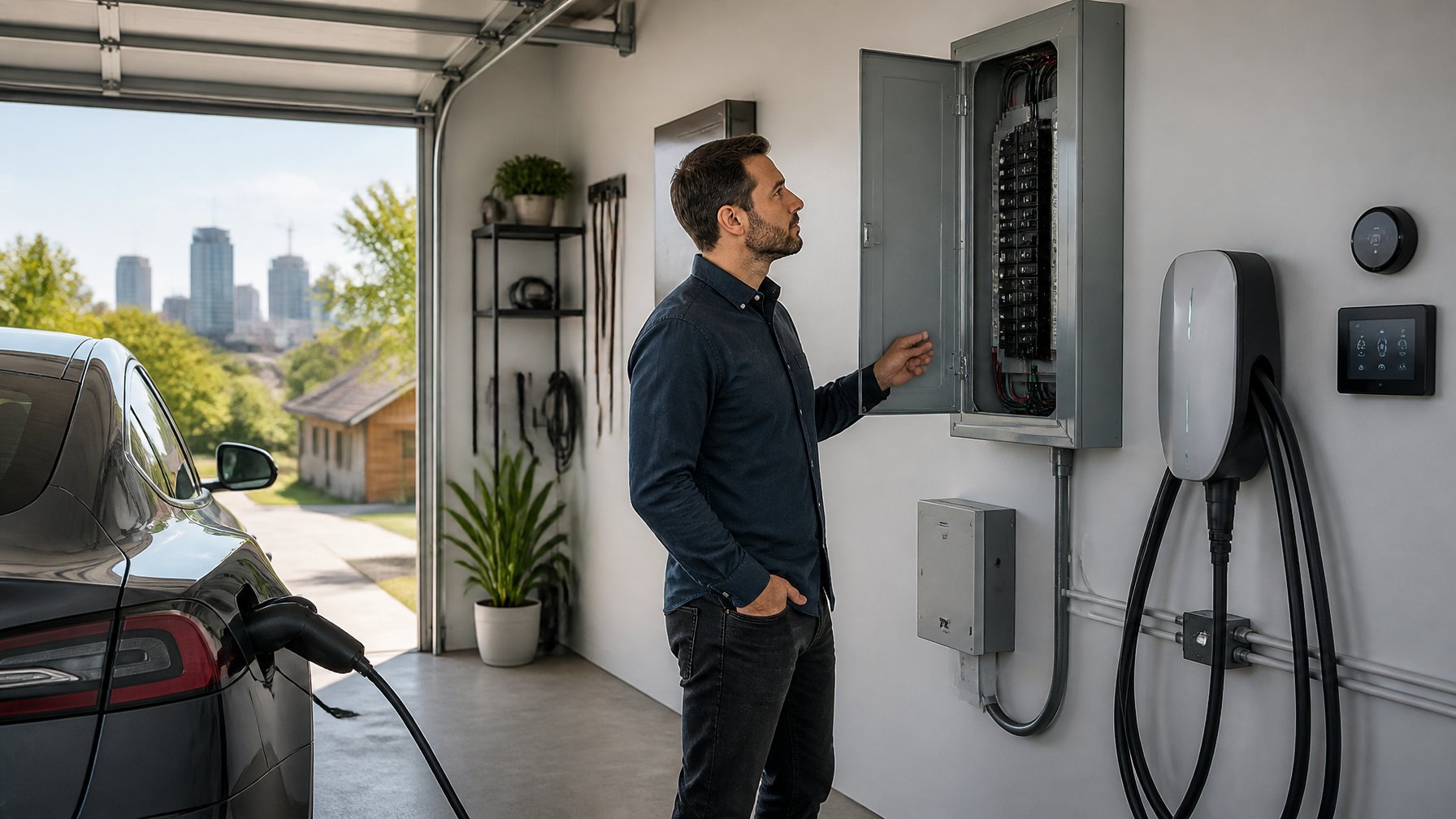
A dedicated 240V circuit gives the EV charger full power whenever it runs. Homeowners should compare circuit cost, permit needs, and the panel capacity. Ask the electrician if the panel can handle the new breaker and whether a service upgrade is likely.
Smart load management lets two or more devices share one circuit safely. They cost more up front but can avoid a service upgrade. Ask which chargers the system supports, whether it works with the chosen EV charger, and how it handles peak loads.
Compare the ongoing tradeoffs: charging speed versus installation cost and future flexibility. Check if the smart system supports software updates and app control. For local help and services, see the homepage.
8) Which certified electricians in Austin handle EV charger wiring and permitting?
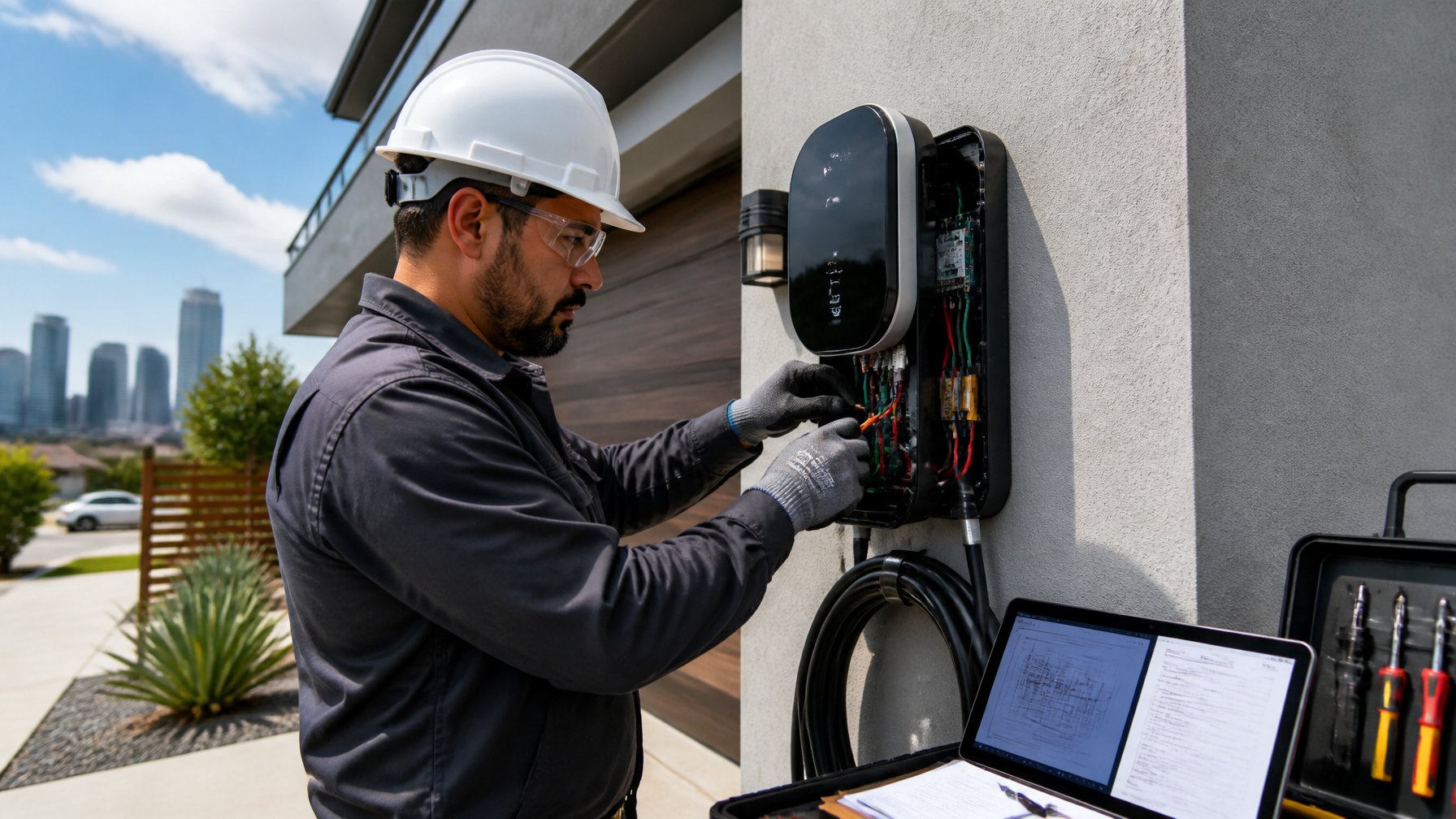
Homeowners should compare electricians by asking about EV-specific experience, license type, and proof of insurance. They should request examples of permit pulls and ask who handles city inspections. This shows the electrician understands Austin code and the permitting process.
Ask about service upgrades, circuit capacity, and meter-main work. Compare quotes for labor, materials, and permit fees. Tradeoffs include lower bids that skip permit work versus higher bids that include everything.
Check if the electrician coordinates with the utility for load management or service upgrades. Ask which permits they usually pull and how they schedule inspections. This helps avoid delays.
For more details on local requirements and services, see the EV charging page on the homepage. Images should show realistic home-improvement scenes like panel work and wall-mounted chargers.
9) How long does a typical Level 2 charger installation take at a single-family home?
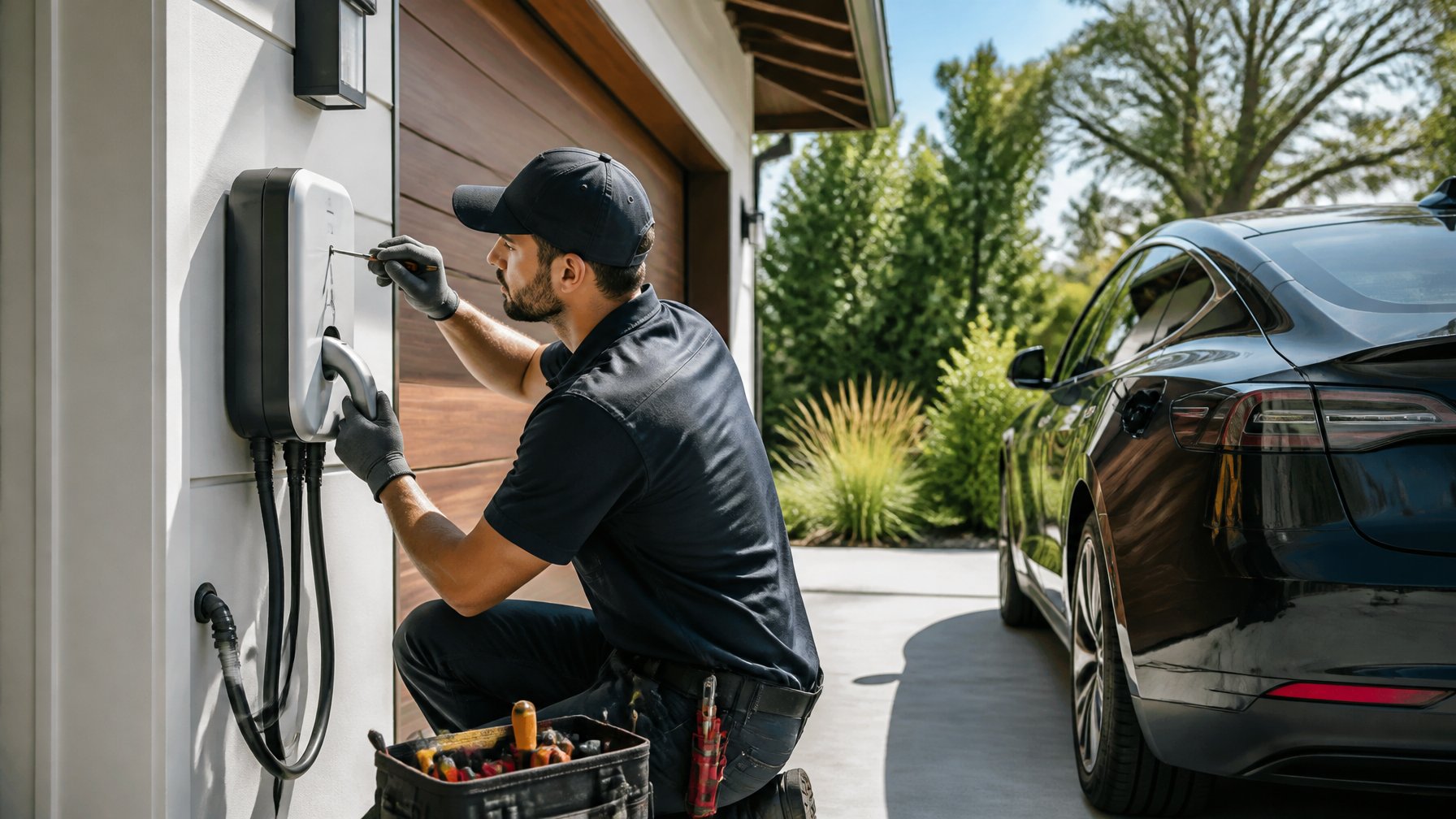
Most Level 2 installations finish in one day, about 4 to 8 hours for straightforward jobs. That covers mounting the charger, running conduit or wiring, and connecting to the breaker panel.
Longer runs, panel upgrades, or permitting can stretch it to a full day or two. Homeowners should ask what the crew will do in that time and whether they’ll need to shut power off.
Compare quotes by asking for an estimated timeline, a list of steps, and whether the installer handles permits. They should also ask about added time for trenching or upgrades and pick a slot that fits their schedule.
Consider the tradeoff between same-day convenience and letting the electrician prep or upgrade the panel first. If a permit or inspection is required, plan for a few extra days before the charger becomes usable.
See home services for more about permitting and installation options.
10) What safety features should I look for in a home EV charger (e.g., GFCI, weatherproofing)?
They should check for a built-in ground-fault circuit interrupter (GFCI) or a requirement for one on the circuit. Ask the installer whether the charger has internal GFCI protection or if the breaker must provide it, and compare the trip sensitivity and reset options.
Look for overcurrent and short-circuit protection ratings that match the home panel and breaker. Verify the charger’s maximum continuous current and ask about coordinated protection to avoid nuisance trips.
Weatherproofing matters for outdoor mounting. Compare NEMA or IP ratings, ask if the enclosure resists rain, dust, and UV, and weigh the cost of a higher-rated unit for driveways or uncovered ports.
Consider cable management and tethered vs. untethered plugs for strain relief. Ask how the unit secures the cord to prevent wear and whether replacement parts are available.
Check for thermal management and temperature derating. Ask how the charger handles long, high-current sessions in Austin heat and whether it limits current to protect the electronics.
For more details on services, visit the homepage.